

Beyond Amazon: The 2025 Guide to High-Paying Affiliate Programs for Social Media Monetization
By The Creator Economy Editorial Team | Updated for 2025 Strategy
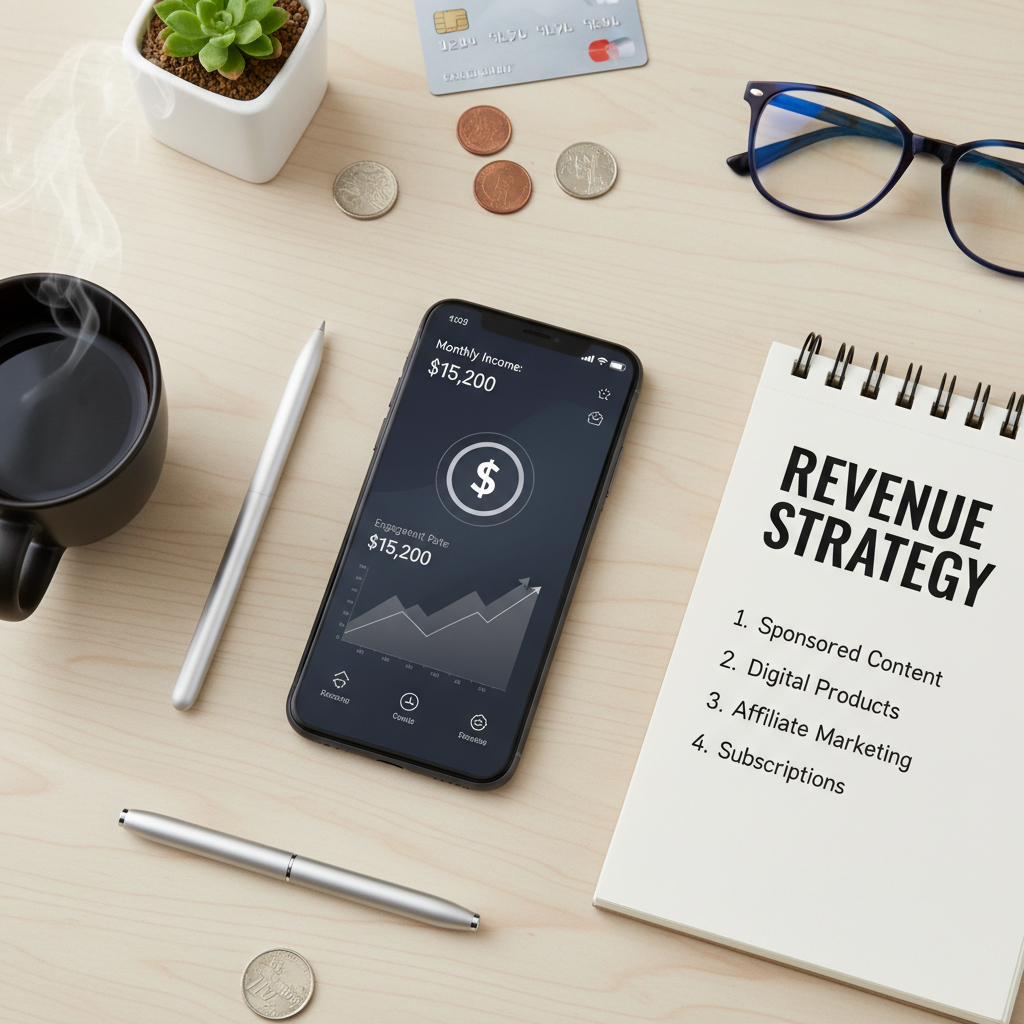
You’ve seen the notification. You’ve checked the dashboard. And if you’ve been in this game for more than a year, you’ve likely felt the sting of the “commission cap.”
For years, the Amazon Associates program has been the default setting for content creators. It’s easy, everyone has an account, and the conversion rates are reliable. But let’s be honest with each other: relying solely on a program that pays 1-3% commission on most categories is a pay cut you didn’t ask for. In 2025, treating your social media business like a serious enterprise means diversifying your revenue portfolio.
I remember chatting with a tech influencer last year who was moving $50,000 worth of hardware a month but barely scraping together $1,500 in commissions. It felt like highway robbery. By simply shifting two links in his bio to a direct brand partnership and a high-ticket SaaS program, he tripled his income in 60 days with the same traffic.
This isn’t just about making more money; it’s about stability. The Best High Ticket Affiliate Programs for Social Media 2025 aren’t just paying more; they offer longer cookie durations, better asset support, and actual partnership models.
- Why the “Amazon-Only” strategy is risky in the current economy.
- The “Holy Trinity” of monetization: Recurring SaaS, DTC Partnerships, and Creator Marketplaces.
- How to use tools like Levanta to hack Amazon commissions up to 20%.
- The specific criteria that make an affiliate program “viral-ready” for short-form video.
Why Smart Creators Are Ditching the “Amazon-Only” Strategy
Amazon is incredible for conversion, but as a primary income source for influencers, it has become increasingly hostile to growth. We are witnessing a massive shift in the ecosystem. According to Mordor Intelligence, the global social commerce market is estimated to reach $1.63 trillion in 2025. This money is moving away from traditional search and directly into apps like TikTok, Instagram, and YouTube.
The Commission Cliff
The math is brutal. Amazon Associates currently holds 48.23% of the affiliate network market share, according to Post Affiliate Pro data from February 2025. Because of this monopoly, they have no incentive to pay you well.
Compare this to industry standards. While Amazon offers 3% on toys or home goods, direct brand programs and niche networks regularly offer 10% to 30%. Even more critical is the “cookie duration”—the window of time you get credit for a sale after a click. Amazon gives you 24 hours. If your follower clicks your link on Tuesday but buys on Thursday, you earn nothing. In contrast, platforms like Impact.com or ShareASale standardly offer 30 to 90-day windows.

The Rise of Trust-Based Commerce
Why are brands willing to pay higher rates to creators? Because you hold the trust card. A March 2025 report by Sticky.io found that 69% of consumers trust influencers over information coming directly from a brand.
Amber Venz Box, President of LTK, put it perfectly in a recent interview: “Creators bring products to life with trust-based recommendations. That trust drives sales in ways traditional advertising can’t replicate.” This trust is premium real estate, and you should be charging premium rates for it.
The “Social-First” Affiliate Criteria: What Makes a Program Viral-Ready?
Not all high-ticket programs work for social media. I’ve seen creators try to push complex enterprise software on TikTok, and it flops. To succeed on platforms dominated by scroll-culture, your affiliate partners need to meet specific “Social-First” criteria.
1. Visual “Demo-ability”
Can the product be demonstrated in 15 seconds? High-paying affiliate programs for social media must have a visual hook. This is why beauty, tech gadgets, and home organization tools dominate. If you have to explain it for 10 minutes, it belongs in a blog post, not a Reel.
2. Mobile-Perfect Conversion Funnels
According to Publift’s November 2025 statistics, mobile traffic accounts for approximately 62% of affiliate-driven visits. Before you sign up for a program, test their link on your phone. If the landing page is clunky, requires zooming in, or has a complex checkout, you will lose the sale. The best programs, like those on LTK or Shopify-powered stores, have frictionless mobile checkouts (often integrating Apple Pay).
3. Attribution Technology
Social media is messy. Users switch devices. They view a Story, close the app, and Google the brand later. You need programs that offer Promo Codes or Deep Linking. Promo code tracking allows you to get paid even if the user doesn’t click your link, simply by using your code at checkout. This is vital for Instagram Stories and Podcast sponsorships.
Top High-Ticket & Recurring Programs for 2025
Let’s get to the specific programs that are changing the game this year. I’ve categorized these based on the “Creator’s Portfolio” approach—mixing high volume with high value.
Category 1: The “Amazon Hack” – Levanta
If you take nothing else away from this article, remember the name Levanta.
Levanta is a platform that allows Amazon Sellers to partner directly with creators, bypassing the standard Amazon Associates rates. Instead of earning 3% from Amazon, you earn a commission set by the brand itself, often ranging from 15% to 30%, while the transaction still happens on Amazon (keeping that high conversion rate).
Paul Nicoll, Co-owner of Ella Bella, stated in a Levanta case study that the platform “has unlocked one of the longest-standing and most lucrative channels in e-commerce for Amazon sellers.” For you, the creator, it means promoting the exact same Amazon products you already love, but getting paid 5x more for them.
Category 2: High-Ticket SaaS (Recurring Revenue)
For creators in the tech, business, or productivity niches, SaaS (Software as a Service) is the holy grail. Why? Recurring Commissions. You sell the subscription once, and you get paid every month the user stays subscribed.
- HubSpot: Offers a 30% recurring commission. If you refer a business that pays $1,000/month for their CRM, you earn $300/month passively.
- Semrush: Ideal for marketing influencers. Admitad’s 2025 data highlights that Semrush offers up to $200 per sale for new subscriptions. It’s a high-ticket, one-time payout that adds up fast.
- Shopify: With the creator economy booming, teaching others “how to start a shop” is huge. Shopify’s affiliate program is robust, paying substantial bounties for new merchant referrals.

Category 3: Lifestyle & Fashion – LTK & Revolve
LTK (formerly RewardStyle) remains the “Billion Dollar” app for a reason. LTK reports that their creators drive more than $4.1 billion in annual retail sales. The platform acts as a curated marketplace. It’s not just an affiliate link; it’s a shopping destination. For fashion and home decor creators, the ability to create “Shoppable Images” makes it superior to Amazon’s generic text links.
Quick-Scan Comparison Table
| Program | Commission Type | Cookie Duration | Best For Platform |
|---|---|---|---|
| Amazon Associates | 1-3% (One-time) | 24 Hours | YouTube Description |
| Levanta (Amazon) | 10-30% (One-time) | 14-30 Days | TikTok / Reels (Amazon link) |
| HubSpot | 30% (Recurring) | 90 Days | YouTube / LinkedIn |
| LTK | 10-20% (Variable) | 30 Days | Instagram Stories |
| Semrush | $200 (Flat Fee) | 120 Days | Twitter / Educ. Video |
💰 The Commission Reality Check
Use this calculator to see how much money you are leaving on the table by sticking solely to low-ticket programs.
Amazon Associates (Avg 3%): $0
High-Ticket / Direct (Avg 20%): $0
Potential Increase: 0%
Platform-Specific Monetization Strategies
Having the link is step one. Getting the click is step two. But getting the conversion? That’s where strategy comes in. Here is how I see the top creators utilizing these programs across different apps in 2025.
TikTok: The “Link in Bio” Funnel
TikTok gives you one link (unless you have a Shop). Do not waste it on a generic home page. Smart creators use a “curated landing page” (like Stan Store or a custom WordPress page) that groups affiliate offers by video topic.
However, the real money is in TikTok Shop integration. Interestingly, you can use affiliate links outside of Shop if you frame it correctly. For high-ticket software, focus on “How-To” tutorials. According to Forbes (Dec 2024), social posts featuring affiliate links were six times more likely to convert into purchases than generic brand awareness content. The key is intent: “Click the link to get the exact tool I used” works better than “Check out my bio.”
Instagram Stories: DM Automation
This is my favorite strategy for 2025. Instead of saying “Link in Bio” (which kills engagement because users hate leaving the app), say “Comment the word ‘CAMERA’ and I’ll DM you the link.”
Using tools like ManyChat, you can automate a DM that sends the affiliate link immediately. This boosts your engagement (comments are gold for the algorithm) and delivers the link directly to the user’s private inbox, where it feels personal and is saved for later. This works exceptionally well for high-ticket fashion items via LTK or Revolve.
YouTube Shorts: The Pinned Comment Strategy
YouTube Shorts descriptions are often hidden behind clicks. The “Pinned Comment” is prime real estate. For a high-ticket program like Semrush or a specialized camera gear brand, create a 60-second review, and pin your affiliate link as the top comment with a clear call to action: “Grab the discount here 👇.”
Case Studies: Real Creators Winning Big
Theory is great, but results are better. Let’s look at real-world examples of this shift in action.
Ella Bella: 550% Growth with Levanta
Ella Bella, a hair care brand, wanted to increase their Amazon Best Seller Rank (BSR) but didn’t want to rely solely on expensive PPC ads. They used Levanta to recruit beauty influencers who were already on TikTok. By offering a competitive commission (much higher than Amazon’s standard), they incentivized creators to push traffic hard.
The Result: According to a November 2025 Levanta report, the brand saw 550% growth in 4 weeks and generated $375,048 in affiliate sales over six months. For the creators involved, this was a windfall compared to standard Associates checks.
Resident Home: The “Hybrid” Model
Selling a mattress online is hard. It’s a $1,000+ purchase. Resident Home (parent company of Nectar) used Impact.com to manage “hybrid” partnerships. They didn’t just pay commissions; they offered flat fees for content creation plus commission.
The Result: By merging User Generated Content (UGC) with performance tracking, they created an “always-on” campaign that outperformed traditional ads. This proves that for high-ticket items, you sometimes need to negotiate a base fee to cover your production costs, with the affiliate commission serving as the upside bonus.
The Boring but Vital Stuff: Compliance & FTC in 2025
I cannot stress this enough: Transparency converts.
Many creators try to hide their affiliate relationships, fearing their audience will think they are “selling out.” The opposite is true. We live in an era of skepticism. When you clearly state, “This is an affiliate link, and I earn a commission at no cost to you,” you build integrity.
The FTC guidelines have tightened. In 2025, simply putting “#sp” buried in a sea of hashtags isn’t enough. You need clear, conspicuous disclosures. For video, this means a visual or verbal overlay. Platform-specific tools (like Instagram’s “Paid Partnership” tag) are helpful, but they don’t replace your legal obligation to disclose affiliate links in your bio or description.
Furthermore, compliant creators are safer partners for big brands. High-paying affiliate programs (like those on Impact.com) often audit their publishers. If you are shady with disclosures, you will get booted from the program, losing that recurring revenue stream overnight.
Conclusion: Diversification is Your Safety Net
The creator economy is projected to reach $480 billion by 2027, according to Goldman Sachs data cited by SocialWick. But that wealth won’t be distributed evenly. It will go to the creators who treat their platform like a business, not a hobby.
Relying on Amazon Associates in 2025 is like keeping all your savings in a checking account; it’s safe, but inflation (or in this case, effort-vs-reward) is eating you alive. By incorporating high-ticket programs, recurring SaaS revenue, and tools like Levanta, you build a “Creator Portfolio” that is resilient.
My advice? Start small. Pick one high-ticket product that aligns perfectly with your niche next week. Create a dedicated video series for it. Negotiate a direct deal or find it on Impact. Test the “DM Automation” strategy on Instagram. You might find that one solid partnership outperforms a thousand Amazon clicks.
Frequently Asked Questions
Q: Is the Amazon Influencer Program still worth it in 2025?
A: Yes, for volume and ease of use, especially for low-cost items. However, it should not be your only stream. Use it to capture general intent, but use Levanta or direct deals for your core promoted products.
Q: What is the average affiliate commission rate for influencers in 2025?
A: According to Post Affiliate Pro, physical products range from 5-20%, while digital products and SaaS often range from 20-50%.
Q: Can I use affiliate links on TikTok without 1,000 followers?
A: Yes, but you cannot put a clickable link in your bio yet. You can use a bit.ly link in your video description (which users can’t click but can copy) or direct traffic to your Instagram where you have a clickable link.