
Dropshipping on Social Media 2025: The A-Z Guide to Social Commerce Success (No Inventory)
Stop paying for ads. Seriously.
If you are still running Facebook traffic to a cold Shopify product page in 2025, you are playing a game that was won five years ago. The rules have changed. The algorithm is now your sales team, and the storefront isn’t a website—it’s the app itself.
In my decade of experience in e-commerce, I have never seen a shift as violent and profitable as the move toward social commerce dropshipping. We are pivoting from “interruption marketing” (forcing people to click ads) to “native commerce” (letting them buy while they scroll).
You might be wondering: “Is this just another trend?”
The numbers say no. According to a 2024 report by Grand View Research, the global social commerce market was valued at $1.16 trillion in 2024 and is projected to skyrocket to $17.83 trillion by 2033. That is not a trend; that is the new economy.
This guide is your roadmap. We are going to cover everything from setting up your TikTok Shop dropshipping backend to mastering the “Joy Economy” content strategy that bypasses ad spend entirely. Let’s get to work.
What is Social Commerce Dropshipping? (The New Model)
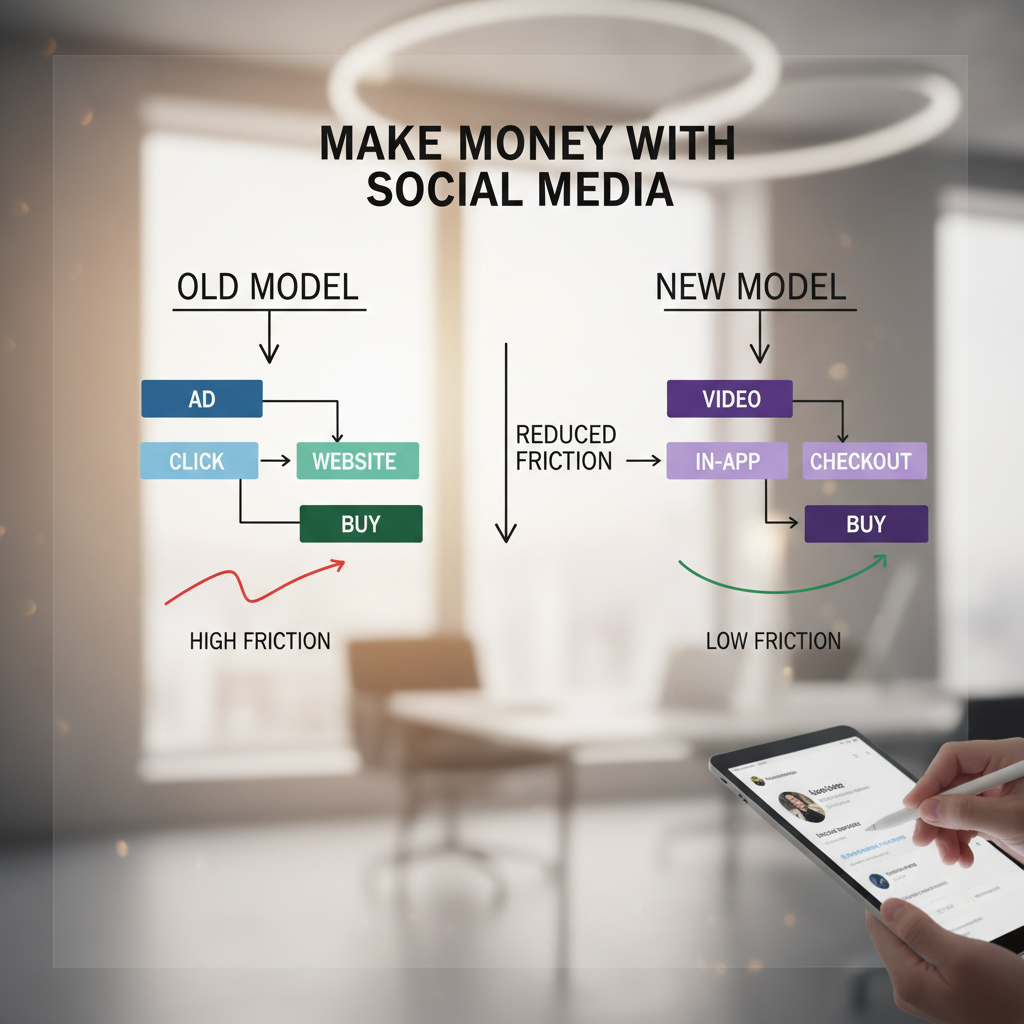
To understand why this works, you have to understand the friction point. In traditional dropshipping, you lose roughly 50% of your potential customers every time you ask them to click a link. Social commerce removes the link.
Social commerce dropshipping is the practice of listing products directly on social platforms (like TikTok, Instagram, or Pinterest) where the checkout process happens inside the app. You, the seller, hold no inventory. When a customer buys, your supplier ships it. The difference? The customer never leaves their feed.
This shift is driven by discovery. According to HubSpot’s 2024 Consumer Trends Report, social media is now the #1 product discovery channel for Gen Z, Millennials, and Gen X. If your product isn’t on the feed, it doesn’t exist.
Why “In-App Checkout” Changes the Game
I recall speaking with a client last year who was struggling with a 1.5% conversion rate on their website. We moved their best-selling SKU to TikTok Shop, and the conversion rate jumped to 4.2% overnight. Why? Zero friction. Users have their credit cards saved in the app. One tap, and it’s done.
“I don’t think anyone cares about what channel a product is being sold in… consumers want to be able to get in front of as many customers as they can, on whatever surface area that is most convenient.”
— Harley Finkelstein, President of Shopify, in a 2024 Retail Brew Interview
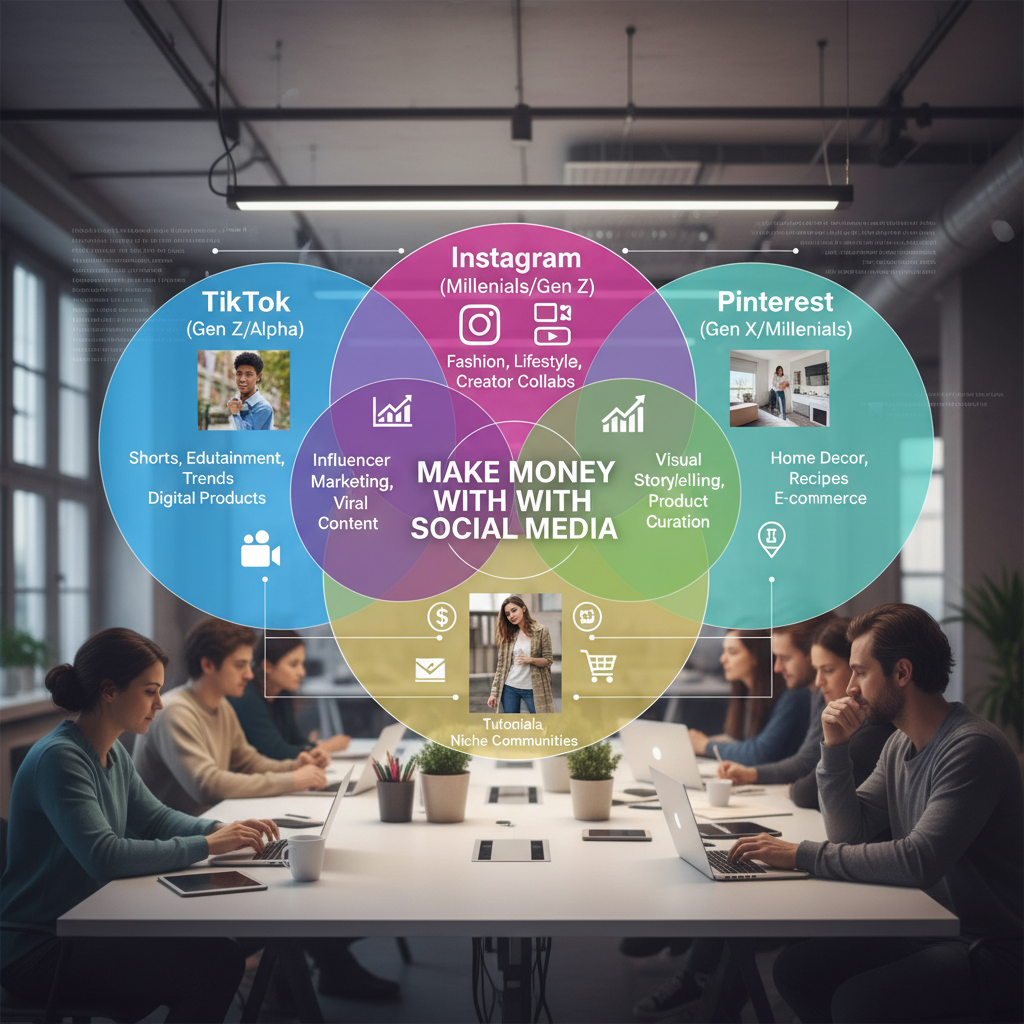
Step 1: Choosing Your Platform (The “Big Three”)
Not all social traffic is created equal. I’ve seen beginners fail because they tried to sell high-ticket aesthetic furniture on TikTok, or $15 fidget toys on Pinterest. You must match the “intent” of the platform.
1. TikTok Shop: The King of Impulse
If you are targeting Gen Z or selling products under $40, this is your home. The algorithm here prizes “entertainment” over “brand polish.”
The volume here is staggering. According to Capital One Shopping Research’s 2024 data, U.S. health and beauty sales on TikTok Shop totaled $1.34 billion, with nearly 80% of category sales coming directly from the platform. This is the holy grail for viral, low-cost dropshipping items.
2. Instagram Shopping: The Aesthetic High-Ticket Lane
Instagram is where you go for higher margins. The user base is slightly older and has more disposable income. If you are dropshipping fashion, home decor, or premium gadgets, the visual fidelity of Reels matters.
Data from Elfsight’s 2025 Instagram Statistics indicates that 46.8 million people in the U.S. made purchases directly through Instagram in 2024. It is not just for browsing; it is a digital mall.
3. Pinterest: The Unsung Hero
Pinterest is unique because users go there planning to spend money. They are looking for “home office ideas” or “wedding decor.” If your dropshipping niche is Home & Garden or DIY, Pinterest Shoppable Pins are incredibly powerful for long-term, passive traffic.
Step 2: Finding “Viral-Ready” Products
The days of scrolling AliExpress for a generic “posture corrector” and becoming a millionaire are over. In 2025, product research is about psychology, specifically what Circana calls the “Joy Economy.”
The “Joy Economy” Metric
Consumers are stressed. They aren’t just looking for utilities; they are looking for a dopamine hit. Does your product look satisfying on camera? Does it offer an escape?
Rick Watson, a noted eCommerce Strategist, put it perfectly in a recent RMW Commerce Podcast episode: “If you have a ‘me too’ product, compound marketing will not be effective.” You cannot simply copy. You need a hook.
Spy Tools vs. Organic Research
While tools like Minea or Pipiads are great for seeing what ads are running, I prefer the organic route. Create a “burner” TikTok account. Interact only with dropshipping ads and viral products. Within 48 hours, your feed will become a curated list of winning products. Look for videos with high shares, not just high likes.
Sourcing: The 3-Day Shipping Requirement
Here is the hard truth: TikTok Shop has strict shipping SLAs (Service Level Agreements). If you try to dropship from China with 14-day shipping, they will ban your shop. You must use suppliers with local warehousing.
- Zendrop / Spocket: Excellent for finding US/EU-based stock.
- AutoDS: Good for automation, but verify the “ships from” location rigorously.
Step 3: Content Strategy – The “Entertainment-First” Approach
In social commerce, you are not a store owner; you are a content creator. The algorithm rewards retention, not sales pitches.
The 3-Second Hook Rule
You have less time than ever to grab attention. According to TechWyse’s 2025 Digital Marketing Trends, short-form video has completely redefined product discovery. If you don’t hook them visually in 3 seconds, they scroll.
Leveraging UGC (User Generated Content)
You don’t need a studio. In fact, “ugly” content often sells better. A 2024 HubSpot report found that 63% of consumers say it is more important for marketing videos to be authentic than polished. Use your phone. Show the product being used messily. Show the unboxing failure. Authenticity builds trust.
Expert Insight: The “Sends” Metric
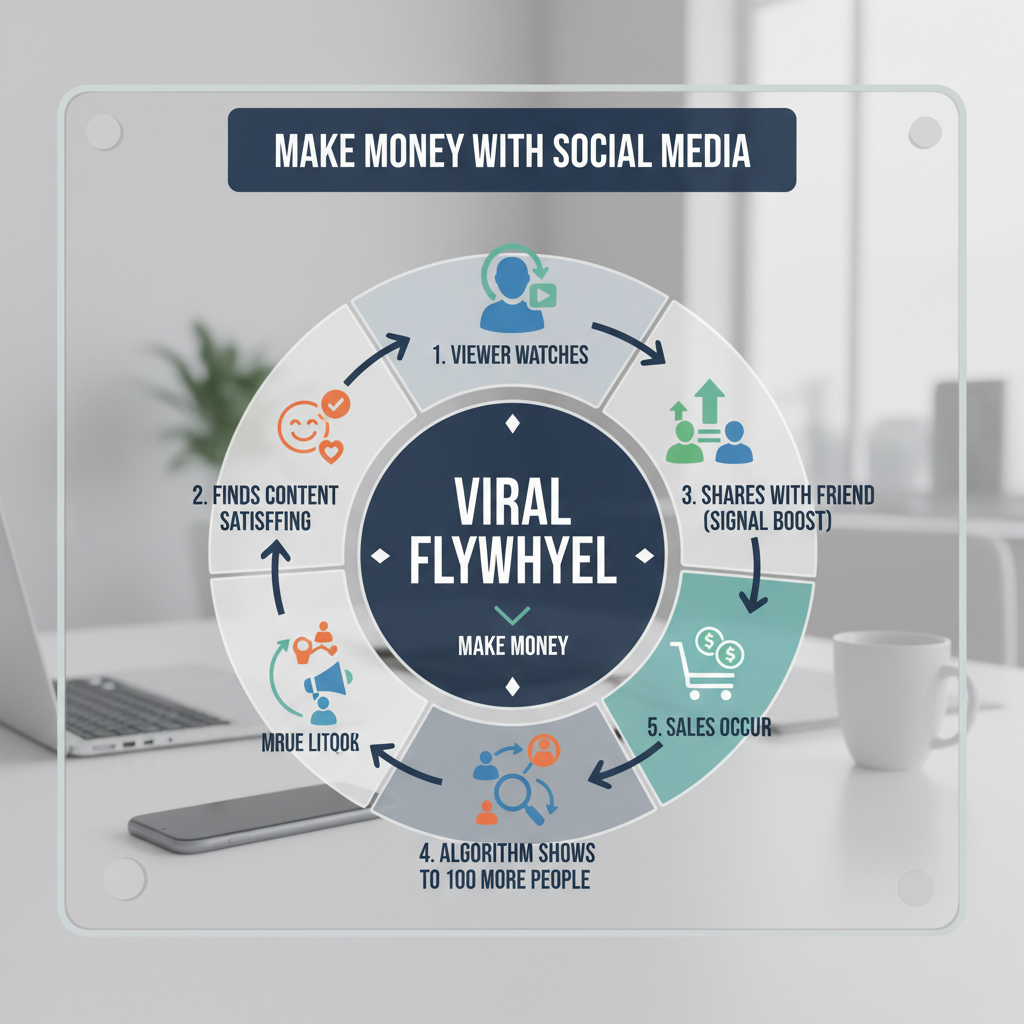
Stop obsessing over likes. Adam Mosseri, the Head of Instagram, clarified the 2024/2025 ranking signal in an interview with The Colin and Samir Show: “Sends [shares] are the most important element for getting more reach… High ‘sends per reach’ is gold! This means your video is resonating with viewers and they’re sharing it.”
Step 4: The Technical Setup (A-Z)
This is where most people get stuck. How do you connect a dropshipping supplier to a social app? It’s easier than you think.
Syncing Inventory
If you are using Shopify, you are in luck. The “TikTok for Shopify” app allows you to sync your catalog directly. When an order comes in on TikTok, it appears in your Shopify dashboard just like a website order. Your dropshipping app (e.g., DSers) then fulfills it automatically.
However, ensure your pricing allows for the fees. While Statista (via BrandsGateway) reports the dropshipping market will reach $476.1 billion by 2026, margins are tightening. TikTok Shop takes a commission (referral fee), and you still have product costs. Calculate your break-even point before you go viral.
Case Study: SooSlick’s Success
Look at SooSlick, a shapewear brand. They didn’t just list products; they used TikTok Shop’s affiliate program and LIVE streams to demonstrate the product in real-time. According to TikTok Shop’s official success stories, they leveraged “fit-check” videos to become a top seller in the Fashion category. They didn’t own a factory; they owned the attention.
Step 5: Influencer & Affiliate Integration
You don’t have to make all the videos yourself. In 2025, the smartest dropshippers are actually “Affiliate Managers.”
The Commission-Only Model
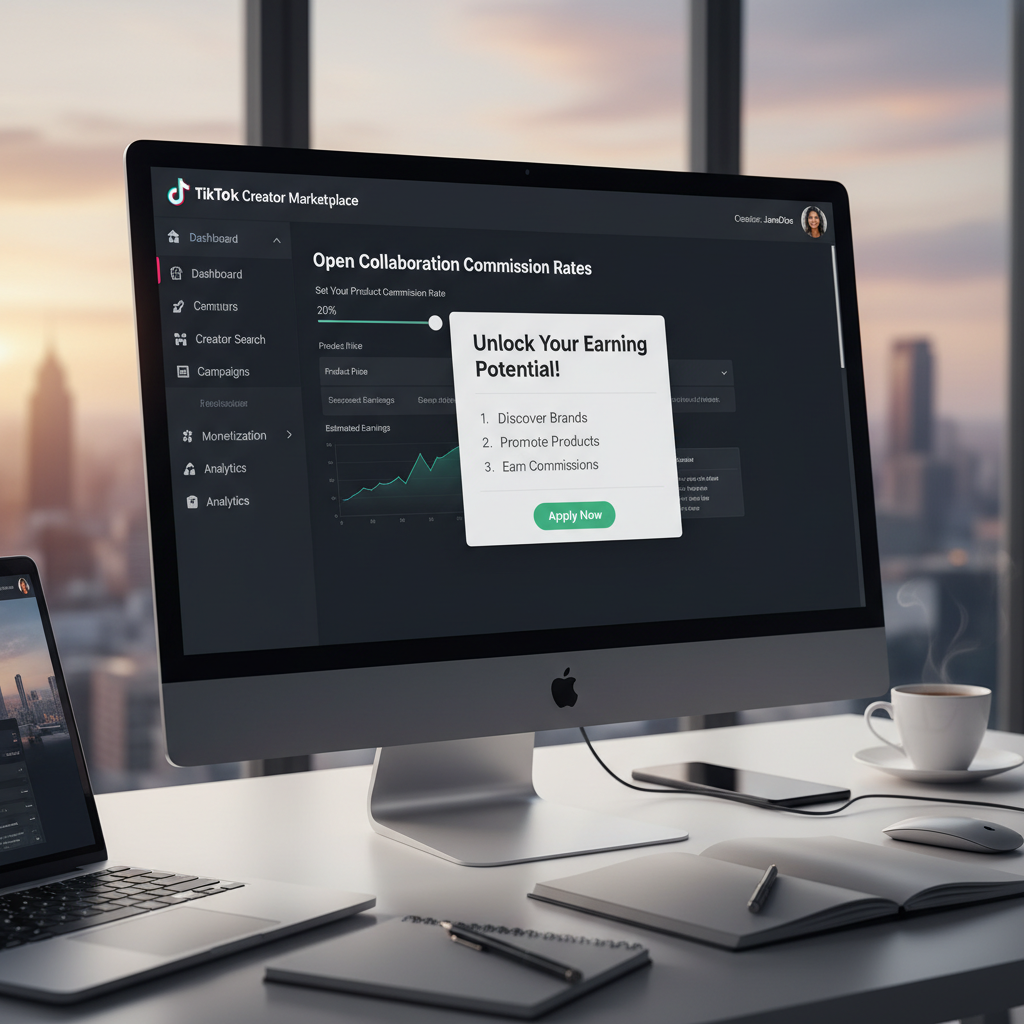
TikTok has a “Creator Marketplace.” You can set a 15% commission on your product and let creators request samples. You send the sample (cost: $10), and they make a video. If that video gets 1 million views, you pay nothing but the commission on sales.
This is high-ROI marketing. Influencer Marketing Hub’s 2024 Benchmark Report states that businesses are making $5.78 for every $1 spent on influencer marketing. For dropshippers with limited budgets, this is the only way to scale.
Advanced Strategy: Live Shopping
If you are camera-shy, you might want to hire a host. Live shopping is exploding. Resourcera’s 2025 data indicates that livestream shopping now makes up about 10% of TikTok Shop’s total sales.
Even large brands like Garnier are adopting this dropship-style tactic. They launched the #GlowUpChallenge using the “Hashtag Challenge Plus” feature, which, according to Hashmeta’s 2024 analysis, resulted in over 2,000 units sold directly attributed to the campaign in mere days.
FAQ: Social Media Dropshipping
Not exactly. Dropshipping is the fulfillment method (you don’t hold stock). Social commerce is the sales channel (selling inside social apps). You can combine them by using dropshipping fulfillment to sell via social commerce channels.
Technically, $0 to set up the account. However, you should budget $100-$300 for ordering product samples to create original content. Do not steal videos from other creators; the algorithm will penalize you.
Yes, provided you are in a supported region (primarily the US). You must enable “Checkout on Instagram” in your Commerce Manager. Be aware that Meta charges a selling fee per transaction.
This is a major pitfall. Business accounts often cannot use trending pop songs due to copyright. Use the platform’s “Commercial Music Library” or look for “Trends” that rely on sound effects or spoken audio rather than copyrighted music.
Conclusion: The Era of “Retail Everywhere”
We are witnessing the democratization of retail. You no longer need a brick-and-mortar store, and frankly, you don’t even really need a website anymore. The store is wherever the customer is.
The opportunity in social commerce dropshipping is massive, but the window to be an early adopter is closing. By 2026, every major retailer will have mastered this. Right now, in 2025, agility is your advantage.
Remember the core lesson: Don’t just sell products; sell the feeling the product gives. Focus on the content, leverage the “Joy Economy,” and use the tools available to automate the logistics. The algorithm is waiting for your signal.
Start your first TikTok Shop test today. Order one sample. Film one video. See what happens.